













The fake applicant problem
AI made it trivial to fake a resume, spoof a location, and pass a screen. What used to be a one-off is now a pipeline-scale attack, and most teams don't find out until it's too late.

You find out too late
Fraud usually surfaces during background checks, after your team has already spent hours interviewing someone who was never real. By then the damage is done on both time and cost.

It buries your real candidates
Fakes flood the top of your funnel. The people you actually want to hire get lost in the pile, and your best candidates go cold while you sort through noise.
It's a security risk
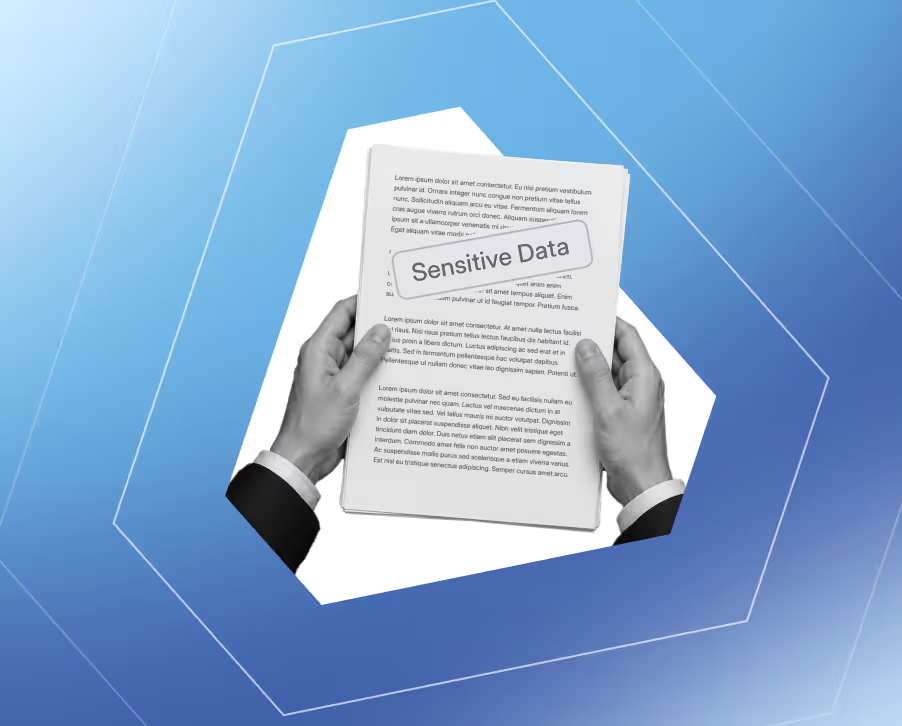
Move a fake applicant forward and you may be handing the keys to your systems, your code, and your customer data to someone who shouldn't exist.
Meet your
Fraud Detector

Always on, right inside Kula. No extra tool, no extra step.

Every applicant reviewed automatically.

A clear verdict in seconds, not days.

You decide what happens to flagged candidates.
Reads the signals behind every application
The Fraud Detector cross-checks signals across identity, network, and behavior to find what doesn't line up. Here's what it catches:
Profiles that don't check out
A name that doesn't match LinkedIn, or an account with no real history behind it.

Coordinated fraud rings
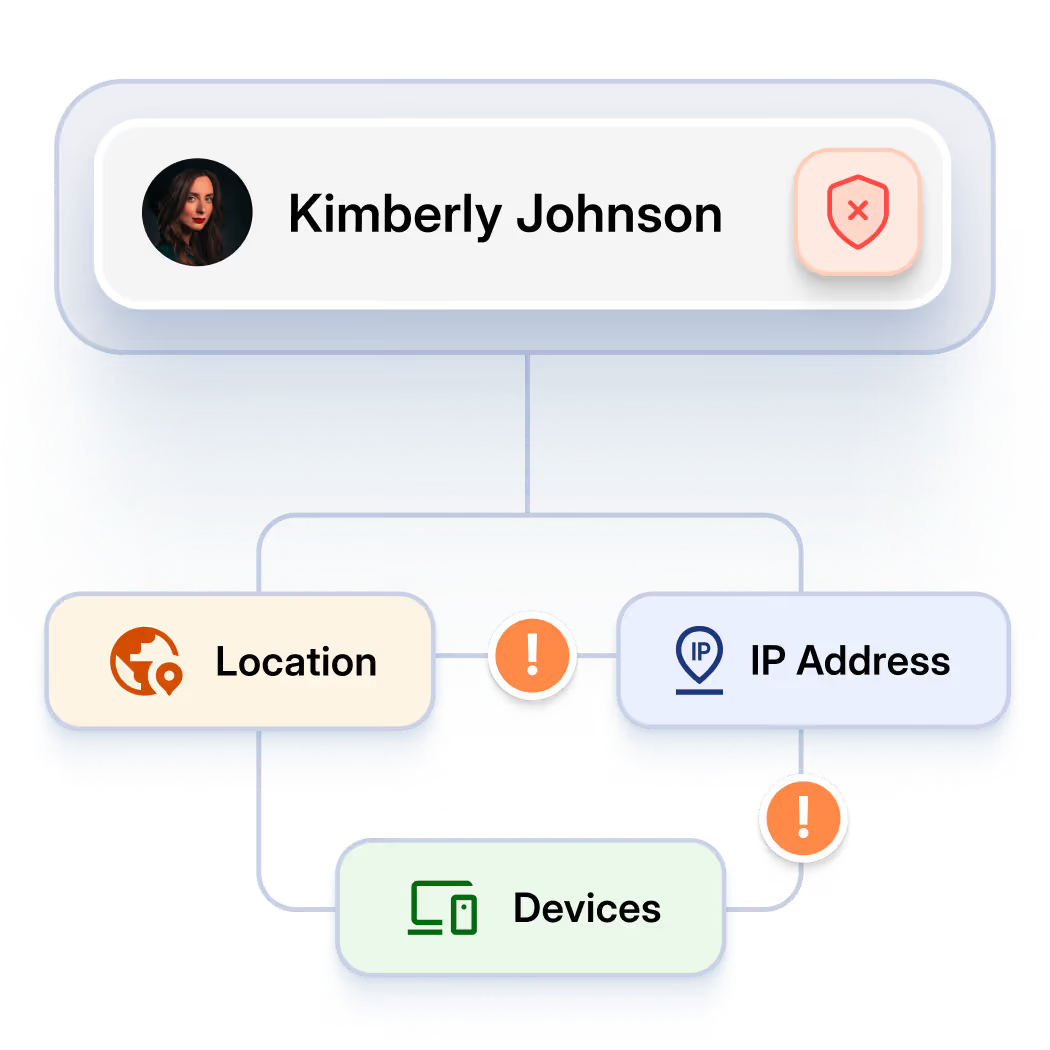
The same device and IP behind a wave of "different" applicants, the fingerprint of an organized operation, not a coincidence.

VOIP and spam-flagged phone numbers, plus emails checked against known breach and disposable-domain history.
Scripts, emulators, and virtual machines filling out forms no human ever touched.
A verdict you can act on
Every applicant comes back flagged, inconclusive, or cleared.

Faked locations
VPNs, proxies, and spoofed GPS hiding where an applicant really is. Kula cross-checks the claimed location against IP and device signals and flags what doesn't add up.
You're always in control
The Fraud Detector flags. You decide. It never acts on its own.
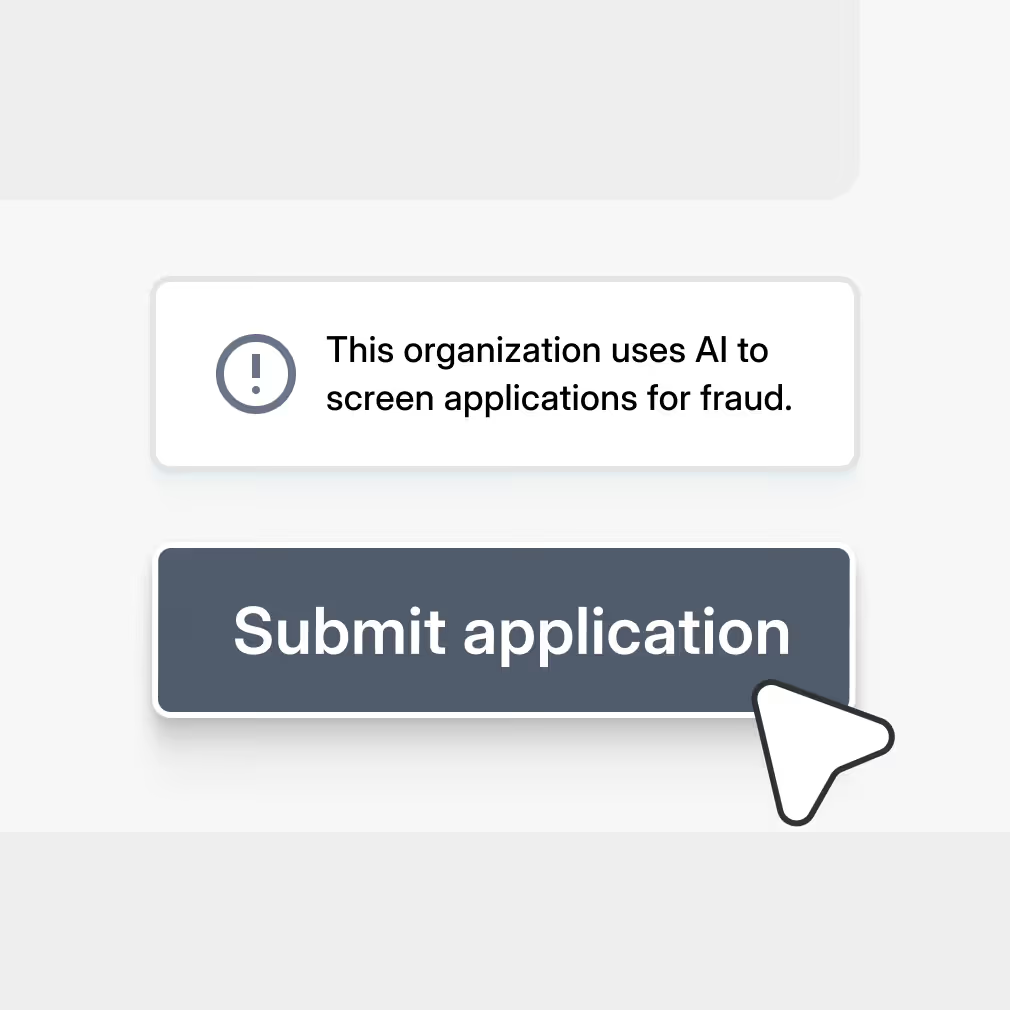
Candidates know up front. Applicants are told fraud detection is part of the process. No black box, no surprises.
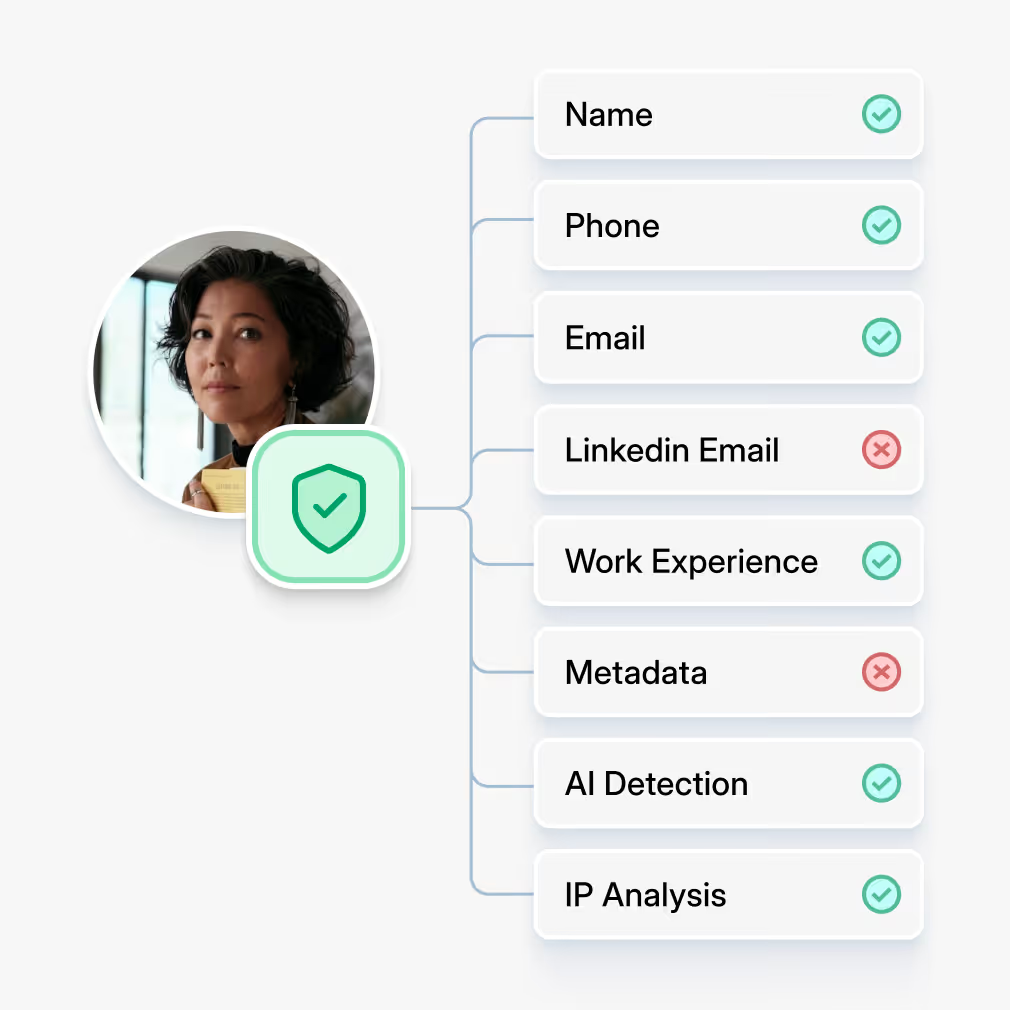
Judged on actions, not identity. It evaluates what an applicant submits and how they apply, not who they are, so your team reviews fairly.
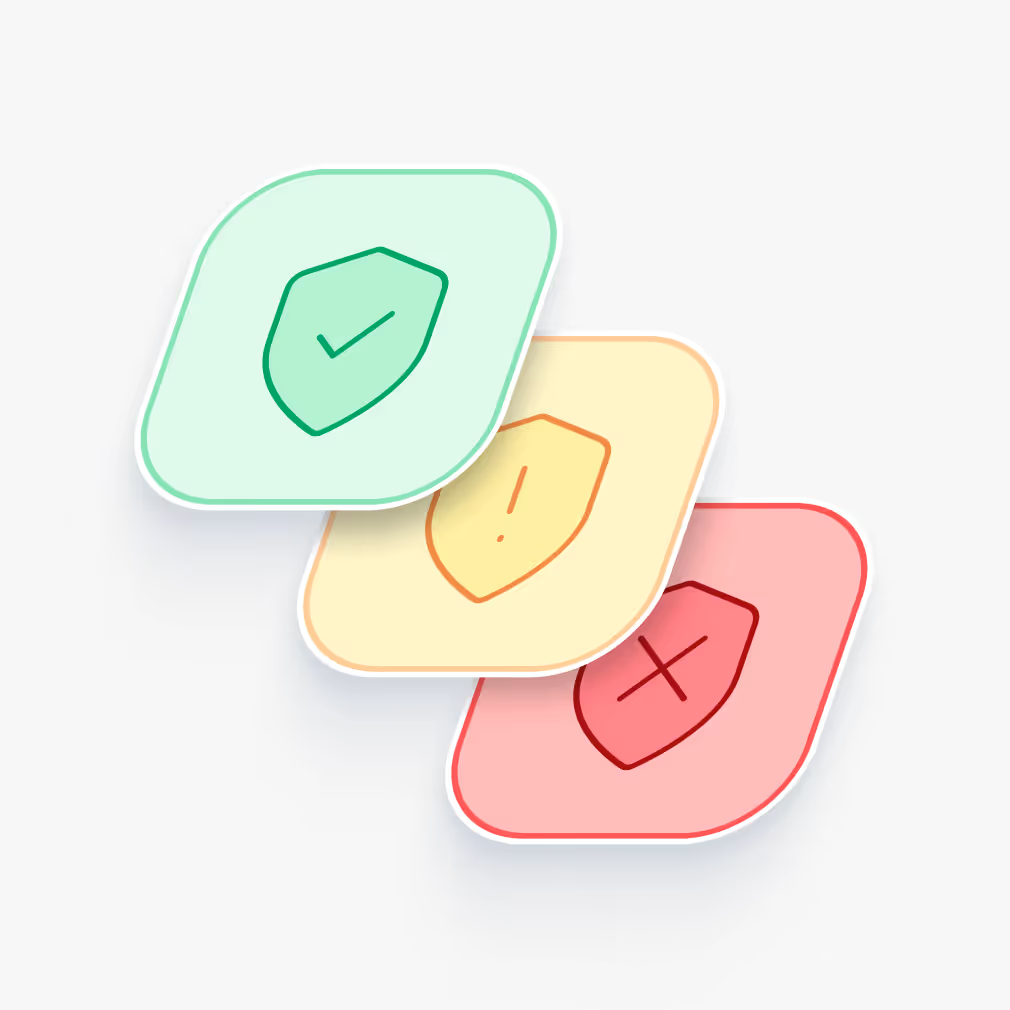
Full transparency. Every flag comes with its complete reasoning, signal by signal, each with a risk level.
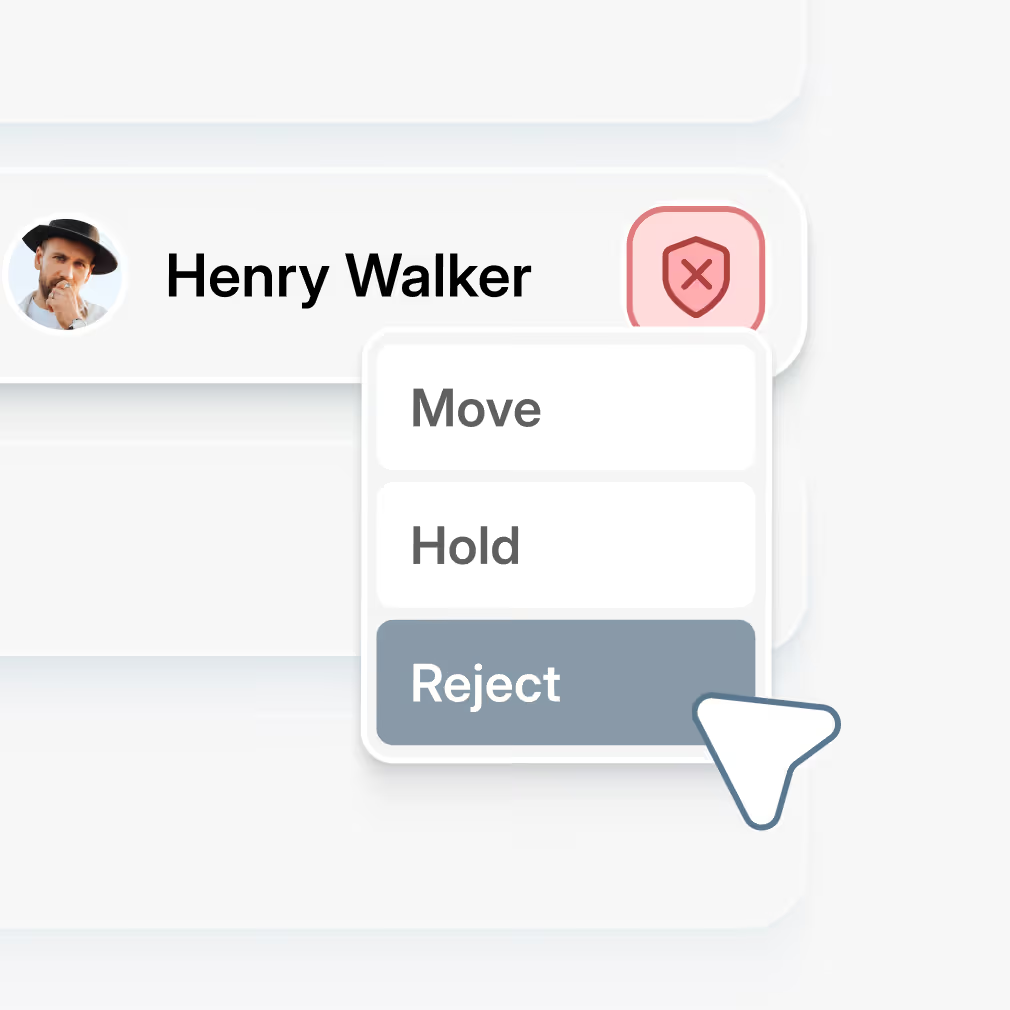
Nothing auto-rejected. Your rules govern every outcome. Kula recommends, you decide.
Teams trust Kula to keep fraud out
97%









Teams trust Kula to keep fraud out

97%


Your AI teammates
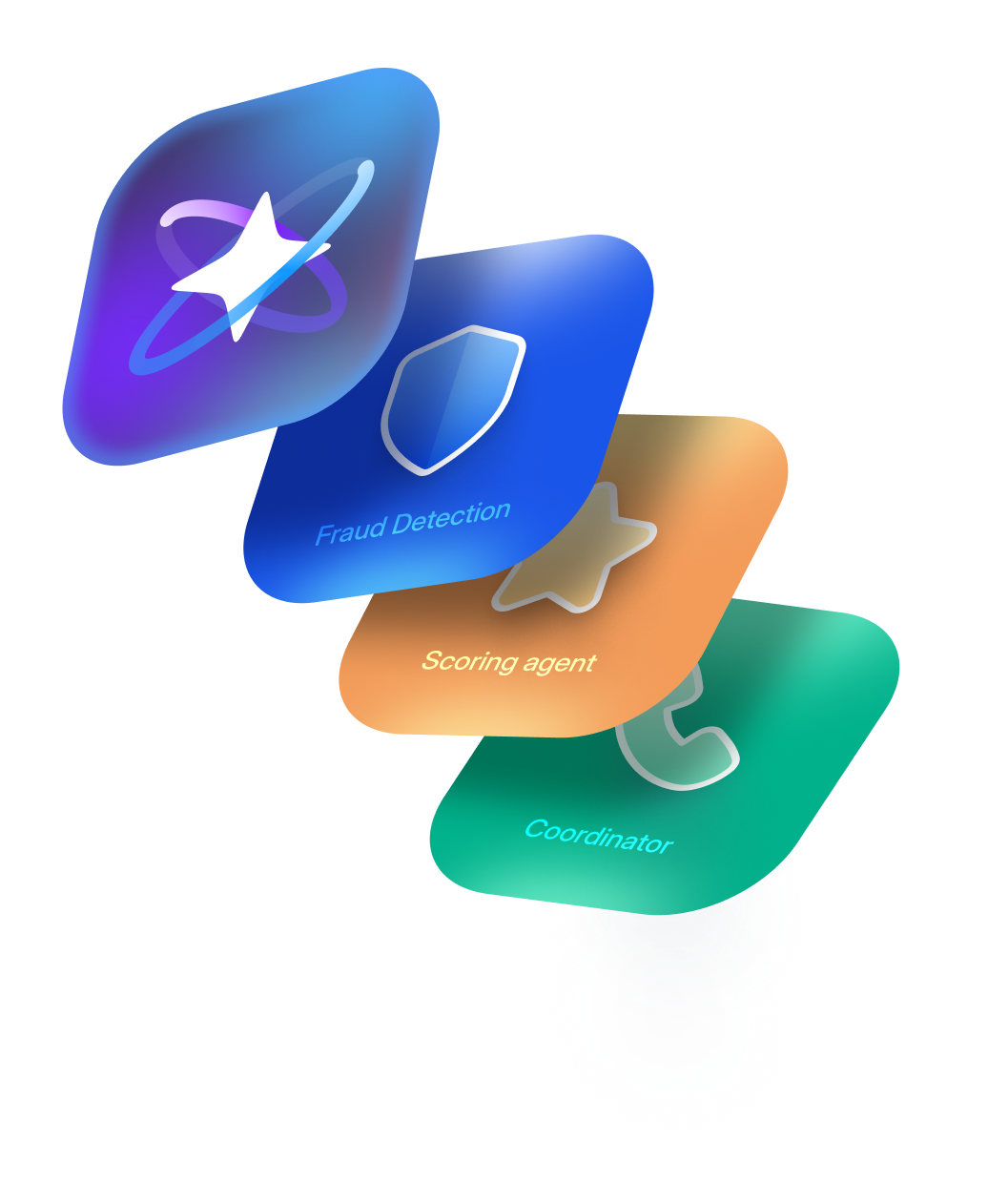
Fraud is the first thing your AI teammates handle. Once an applicant is cleared, the Scoring agent qualifies them and the Coordinator schedules them. One AI-native team, every stage of hiring.
Questions teams ask before they turn on the Fraud Detector
No. And because nothing is auto-rejected, a flag is always a prompt for a human decision, not an automatic no. You see the full reasoning and make the call.
It's native to Kula. No exports, no separate login, no integration to maintain. If you're already on Kula, it's on.
Identity and footprint consistency, device and IP fingerprints, contact-detail risk (VOIP, disposable, breached), location spoofing, and behavioral and bot indicators, all distilled into a single verdict with full reasoning.
It evaluates what's submitted and how someone applies, not who they are. Candidates are told fraud detection is part of the process, and every flag is transparent and reviewable. It also holds to Kula's bias-aware hiring standards, including the EU AI Act, NYC Local Law 144, California FEHA, and Colorado SB 205.
Verdicts in seconds, the moment an application is submitted, not a multi-day background check.
Yes. Kula is SOC 2 Type II certified and GDPR and CCPA compliant, with SSO and role-based access controls.