




Recruitment marketing is how you build candidate relationships before a role opens. Learn the four pillars, proven recruitment marketing examples, tools, strategies for reaching passive talent, and the metrics that reveal your ROI.
For decades, recruiting followed a simple pattern: a role opened, HR posted a job, and candidates applied. That approach still has a place, but it puts recruiting teams in a tough position when the people they want aren't actively looking.
But the hiring market has shifted.
More candidates are already employed, and many are open to the right opportunity without actively searching for one. That means the relationship often needs to start before there's a job to apply for.
Recruitment marketing is the operating discipline built around that idea. It brings marketing principles into talent acquisition by building your employer brand, creating ongoing candidate engagement, and developing a talent pipeline before you have an open role to fill.
The goal is to have people who already know your company, understand what you do, and have a reason to consider working with you when the right opportunity comes up.
We’ve broken down what recruitment marketing actually looks like, why the numbers behind it matter, the tactics and tools that support it, and how to measure whether your investment is paying off.
What is recruitment marketing and how does it differ from job posting?
Recruitment marketing is the process of attracting and building relationships with potential candidates before you have a role for them.
It brings the same kind of long-term thinking used in marketing into talent acquisition by building candidate awareness, creating interest, staying visible, and nurturing people until the timing is right.
86% of HR professionals say recruitment is becoming more like marketing. And that's essentially the shift recruitment marketing represents.
Instead of waiting for a vacancy and then trying to find someone who wants the job, you're building an audience of people who could become candidates in the future.
These tactics can include:
- Employer branding
- Candidate-focused content
- Employee advocacy
- Events
- Referrals
- Talent communities
- and targeted outreach
Over time, these interactions create a warm pipeline of job seekers who already know your company, your team, and what you stand for.
Traditional job posting on the other hand is much narrower. You have an open role, publish the job, and wait for candidates to respond. Recruitment marketing starts before that point, by building the awareness and relationships that make your eventual hiring process more effective.
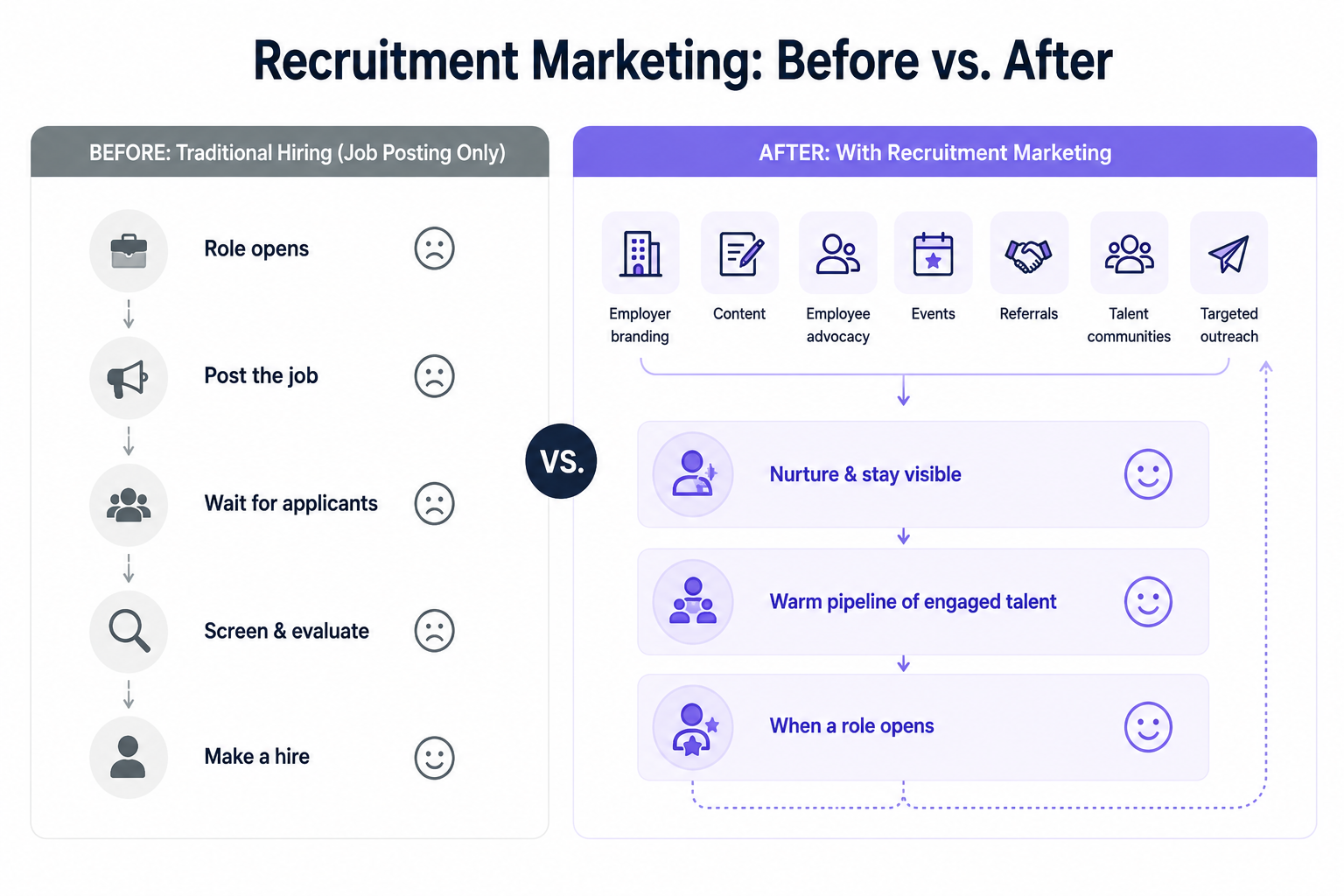
So the simplest way to think about it is: job posting is about filling the role you have today; recruitment marketing is about building the candidate pipeline you'll need tomorrow.
When a relevant role opens, you're reaching people who have some context and interest instead of starting every search from zero.
From reactive recruiting to proactive talent acquisition
Traditional recruiting usually starts when a vacancy opens: post the job, wait for applications, screen resumes, and source candidates who match the role.
Recruiting marketing starts much earlier.
You build visibility with the people you may want to hire in the future, stay in touch with them, and give them reasons to keep your company on their radar. That matters because many strong candidates aren't browsing job boards when you need them. They're working, building their careers, and waiting for an opportunity worth considering.
The shift also changes the role of your talent pipeline. Instead of measuring success only by how quickly you can fill today's opening, you're building an audience that can support future hiring needs.
Recruitment marketing as an ongoing candidate engagement system
Recruitment marketing works best as an ongoing system of engagement, rather than a campaign that starts and ends with a job opening.
That system can collect passive talent, automate follow-ups, track candidate interactions, and keep your company visible to future hires. Modern applicant tracking systems can support these workflows, while older systems were largely designed to store candidate records and manage applications after a role was already open.
This is also why recruitment marketing shouldn't sit with one person or one channel. Your employer brand, career content, candidate outreach, events, referrals, and talent database all contribute to the same relationship.
The goal is consistency. A candidate might first encounter your company through a LinkedIn post, hear about you from an employee months later, join a talent community, and eventually respond to an outreach message when the right role opens.
How recruitment marketing works like a sales funnel
There's another useful way to think about recruitment marketing: as a sales funnel.
At the top, you create awareness through content and employer branding.
Then comes interest, where direct outreach, events, and other interactions give candidates a reason to engage.
Next is consideration, where conversations, referrals, and warm introductions help someone decide whether your company is worth exploring.
Finally, you reach conversion: the application, interview, and offer.
Marketing teams have used this model for years. Recruitment marketing applies the same operating discipline to hiring.
That also explains why recruitment marketing isn't simply employer branding, job description writing, or passive candidate sourcing strategies. It connects all three into one system that keeps your talent pipeline active before a role opens.
Why recruitment marketing works
Recruitment marketing works because it shifts your hiring strategy from waiting for candidates to apply to building relationships with people before they're ready to make a move. That gives recruiters access to talent through more than one channel and creates a pipeline they can draw from when hiring needs arise.
Here’s how that works:
1. More applicants don't always mean more hires
Job boards generate 90% of applicants but only 38% of hires, according to CareerPlug. That means a large share of recruiting volume isn't translating into hiring output.
Employee referrals, by comparison, make up only about 7% of potential candidates, but their conversion rates approach 40%. Referred candidates are also 55% faster to hire than candidates sourced through career sites.
The difference points to a broader problem with application-led recruiting: volume is easy to measure, but candidate quality has a much bigger impact on hiring efficiency.
Recruitment marketing shifts some of that effort toward channels that build relationships before a candidate enters an active hiring process.
2. Passive candidates are the bigger opportunity
Around 70% of the global workforce is classified as passive, meaning they aren't actively looking for a new job but may consider the right opportunity.
If your recruiting strategy mainly targets active applicants, you're reaching a relatively small portion of the potential talent market.
A strong employer brand can help close that gap. 89% of HR leaders agree that a strong employer brand gives them a competitive advantage when attracting talent. Recruitment marketing puts that brand in front of potential candidates through content, employee stories, events, talent communities, referrals, and targeted outreach.
3. Employer brand affects hiring costs
The financial impact extends beyond sourcing. Companies with strong employer brands see a 50% reduction in cost per hire and attract 50% more qualified candidates. Investing in employer branding can also reduce employee turnover by 28%, according to Officevibe.
Candidate perception also influences whether people enter the funnel in the first place.
96% of employees say they would apply to an organization with a good employer brand, while 87% say negative reviews would stop them from applying. And according to Glassdoor, 83% of candidates check employer reviews before applying.
4. Recruitment marketing compounds over time
The value of a recruitment marketing strategy isn't limited to the role you're hiring for today.
A candidate who joins your talent pool in January might apply in March, refer someone in June, or return for another role later in the year. The same candidate relationship can create value across multiple hiring cycles.
That makes recruitment marketing a longer-term investment in your talent pipeline. Instead of rebuilding your candidate pool every time a role opens, you keep adding people, relationships, and engagement that can support future hiring.
The four pillars of recruitment marketing and how to execute each one
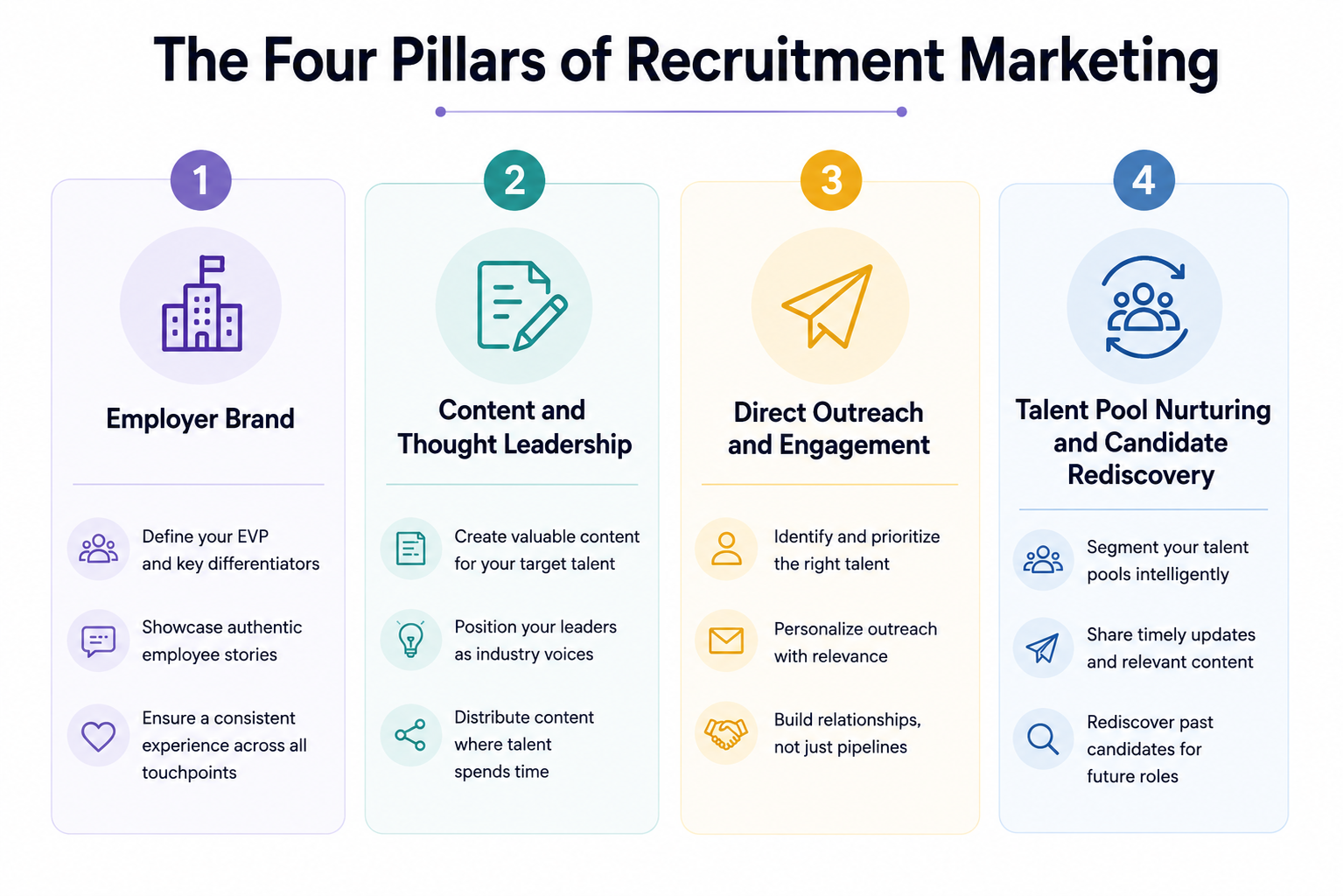
Recruitment marketing works as a system, not a collection of disconnected tactics. Your employer brand gives candidates a reason to care about your company, content makes that brand visible, outreach turns attention into relationships, and talent-pool nurturing keeps those relationships active until the timing is right.
Here are the four pillars that make that system work:
Pillar 1: Employer brand
Your employer brand is the reputation your company has as a workplace. Before they ever apply, candidates are trying to answer three basic questions:
- What is it actually like to work here?
- What does this company value?
- Will I be able to grow and feel fulfilled here?
Your employer brand isn't the careers page copy or a polished recruitment campaign. It's the impression people form from everything they encounter, from Glassdoor reviews and employee LinkedIn posts to the experience they have during your interview process.
That makes it difficult to manufacture. At scale, managing employer brand becomes an ongoing function that involves understanding how employees and candidates actually experience the company and making that experience visible to prospective hires.
Your employer value proposition (EVP) turns that broader reputation into a clearer promise. It should bring together what you offer in exchange for someone's contribution, which includes:
- Compensation
- Culture
- Opportunities for career growth
- Your team mission
- Specific benefits and perks that might make someone choose your company over another employer
A useful EVP should reflect what employees genuinely experience. Otherwise, you're creating a gap between your recruitment marketing and the reality candidates encounter after joining.
Pillar 2: Content and thought leadership
Content is what makes your employer brand visible to the people you want to hire. The most effective recruitment marketing content gives candidates enough context to understand what working at your company might actually look like.
Start with the job description.
It's one of the most important recruitment marketing assets you already have, yet many companies still treat it like an administrative document.
Instead of opening with "We are hiring a software engineer," give candidates a reason to keep reading. For example, phrases like "Are you ready? Join our movement" or “Join a workplace that values YOU” offer a stronger opening that creates context before getting into responsibilities and requirements.
Then give candidates a quick picture of the opportunity:
- Explain the company's mission and how the role contributes to it.
- Include three to five specific projects or responsibilities someone would actually work on.
- Show what progression could look like through career paths, development programs, or promotion timelines.
- Introduce future colleagues or leaders with short quotes or relevant accomplishments.
- Highlight specific benefits and working practices rather than vague claims about having a "great culture."
- End with a clear, action-oriented application prompt.
And don’t overlook the kind of language you use in your job descriptions.
Terms like "rockstar," "ninja," and "superstar" have become shorthand for vague job descriptions and can make a role feel less credible, particularly to experienced candidates. Describe the work and expectations directly instead.
Next, look at your employee advocacy model.
Employee advocacy is another way to make employer brand content more credible. Employees sharing their experiences through their own professional profiles can give prospective candidates a view of the company that branded content can't replicate.
According to LinkedIn, companies with strong employer brands tend to grow 20% faster and receive a 31% higher InMail acceptance rate.
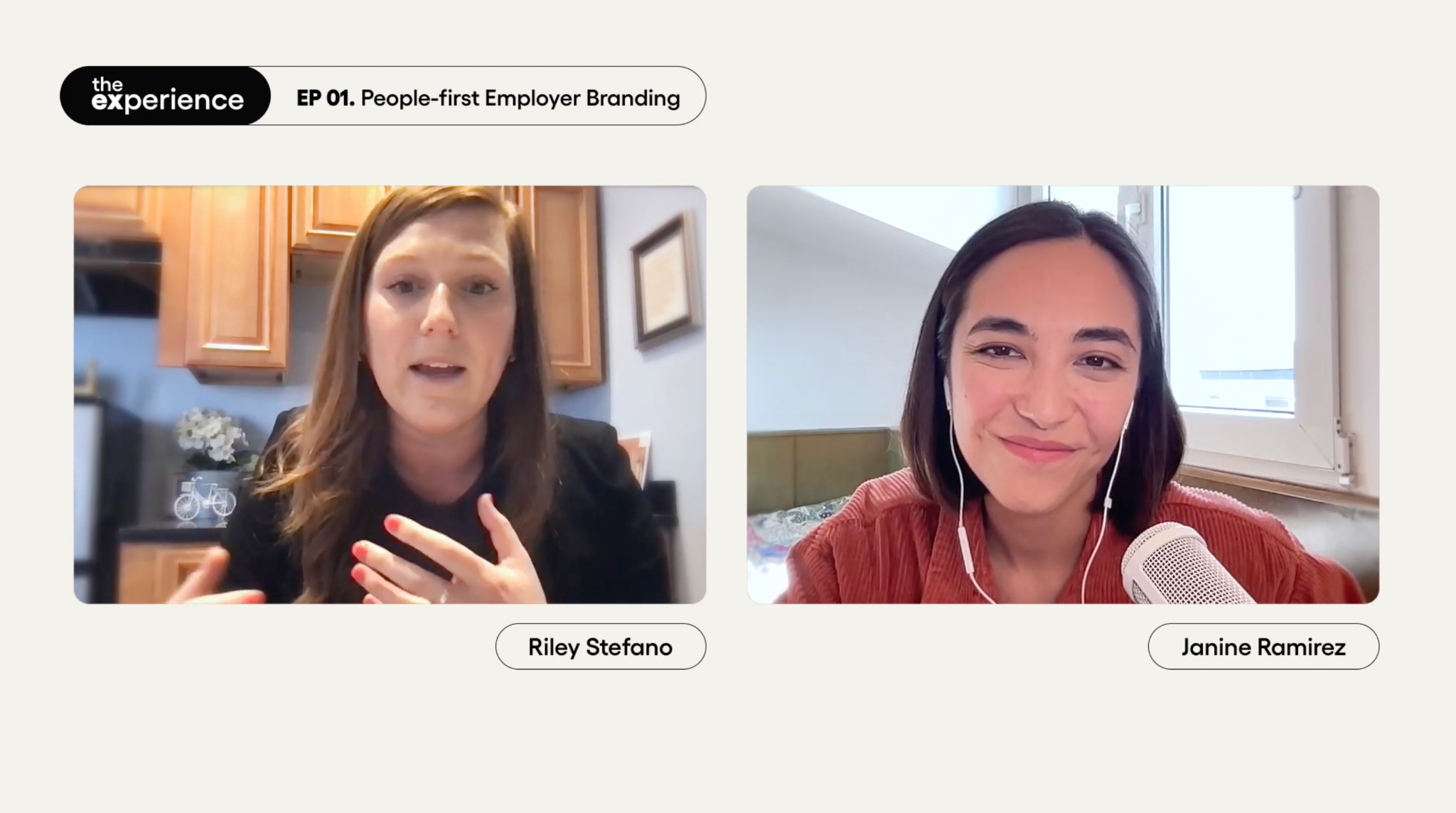
Riley Stefano, who led employer brand marketing at Datadog (currently a Director of Recruitment Marketing for Mastercard), mentioned in a Erudit AI podcast:
"Employer branding is as much a retention strategy in keeping great talent as it is an attraction strategy in hiring great candidates."
You can also bring potential candidates into your ecosystem through LinkedIn Live sessions, webinars, and events.
A session such as "Future of [industry]: insights from our CTO" or "Career paths unveiled: from entry-level to leadership" gives passive candidates something useful to engage with before they're ready to apply.
Transparency can work particularly well here.
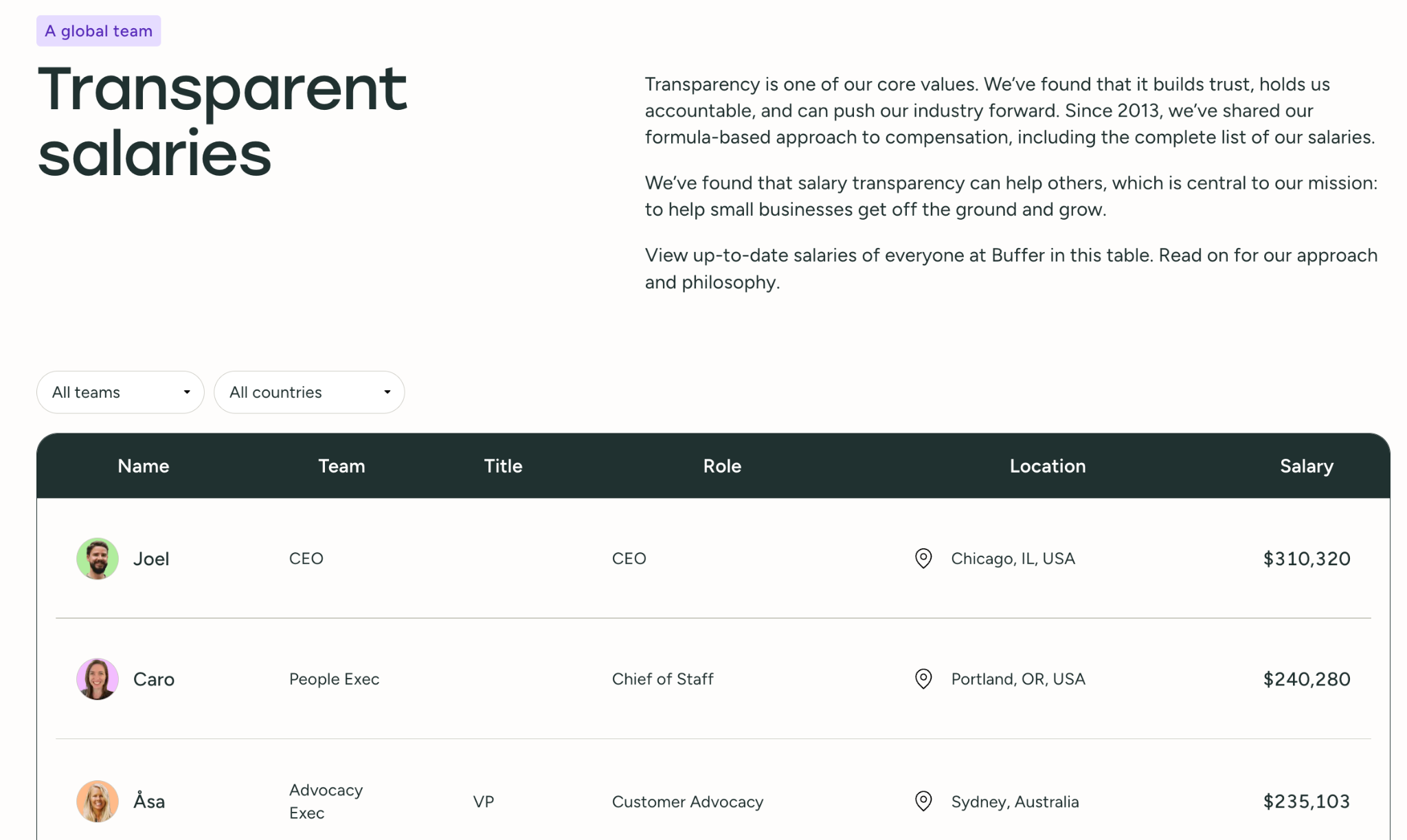
For example, Buffer has publicly shared information such as employee salaries, meeting notes, and its salary calculator. Content like this does more than attract attention. It gives candidates a clear picture of how your company operates and naturally attracts people who value that level of transparency.
Finally, don't overlook multimedia in job posts. A 30- to 60-second video from the hiring manager or someone already on the team can give candidates a much better sense of the people and working environment than another paragraph of copy.
These tactics work best together. A strong employer brand gives you something worth talking about, content makes it visible, and employee advocacy and events give candidates more ways to experience it.
Pillar 3: Direct outreach and relationship building
Recruitment marketing doesn't replace outbound recruiting. It actually makes outbound hiring more intentional.
The goal isn't to send generic messages to everyone who matches a job title. It's to identify people who could be relevant to your company and give them a reason to start a conversation, whether that's an exploratory call, an invitation to an event, or a useful resource related to their work.
This is particularly important when reaching passive candidates. Someone who isn't actively job hunting may ignore a generic pitch for an open role but engage with an invitation to a relevant conversation or event.
Over time, these interactions build relationships that may turn into applications months later. You're giving candidates a reason to engage with your company before asking them to make a career move.
Pillar 4: Talent pool nurturing and candidate rediscovery
The candidates you've already encountered can be one of your most valuable sources of future hires.
That includes people who applied for previous roles, candidates who entered your talent pool, referrals, and especially silver medalists: strong finalists who were ultimately passed over for another candidate.
Instead of letting these profiles sit untouched in your ATS or CRM, recruitment marketing gives you a reason to keep them engaged. Share relevant content, invite them to events, keep them updated on opportunities, or reach out when a role matches their experience.
Candidate rediscovery can also shorten the path to a hire because you're starting with people your team has already evaluated. Someone who wasn't right for a role six months ago may be exactly what you're looking for today.
Ultimately, these four pillars reinforce each other:
- Content strengthens your employer brand
- A stronger brand makes outreach more compelling
- Outreach grows your talent pool
- And nurturing that pool creates future hires
Tools that support recruitment marketing for hiring teams
The right recruitment marketing tools should support the entire candidate journey, from the first interaction with your employer brand to the moment someone enters your talent pipeline.
You don't necessarily need a separate platform for every task, but you do need the right capabilities across each part of the funnel. Here are some ATS features and recruiting tools that can help build the right foundation for your recruitment marketing strategy:
1. Career site builders
Your career site is where much of your recruitment marketing eventually lands. Someone might discover your company through social content, an employee referral, an event, or direct outreach, then visit the career site to decide whether they want to learn more.
That makes the site more than a list of open jobs. It needs to communicate your employer brand, make relevant roles easy to find, and give candidates a clear path to apply or stay connected.
Kula's career site builder is included in its ATS and lets teams create branded career portals using templates or custom themes, with sections for company stories, testimonials, teams, FAQs, open roles, and more.
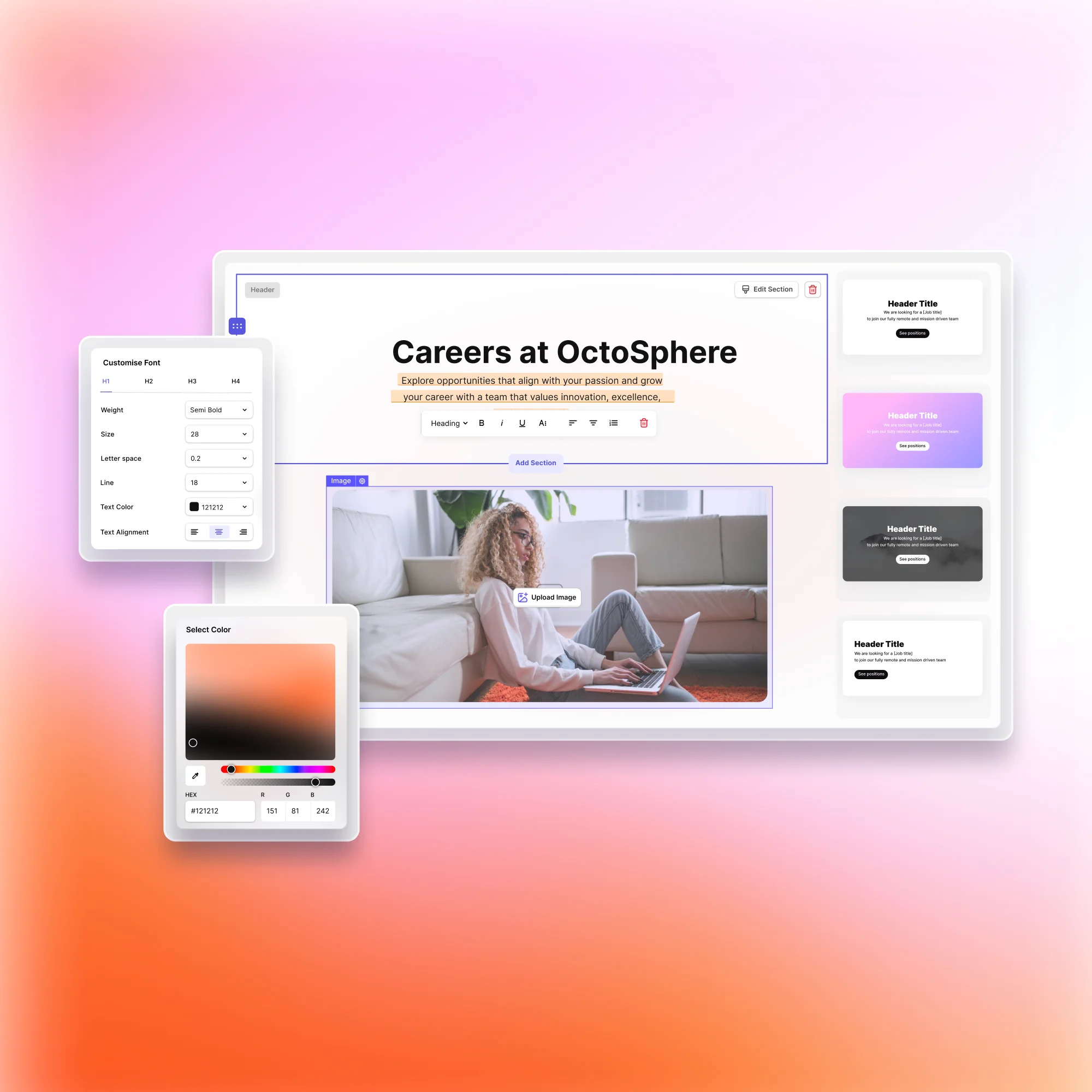
Teams can also embed the portal into an existing company site, customize its URL and SEO settings, and publish event pages without relying on developers or marketing support.
Overall, Kula’s in-built career site builder is very customizable if you’re looking for something already included in an applicant tracking system.
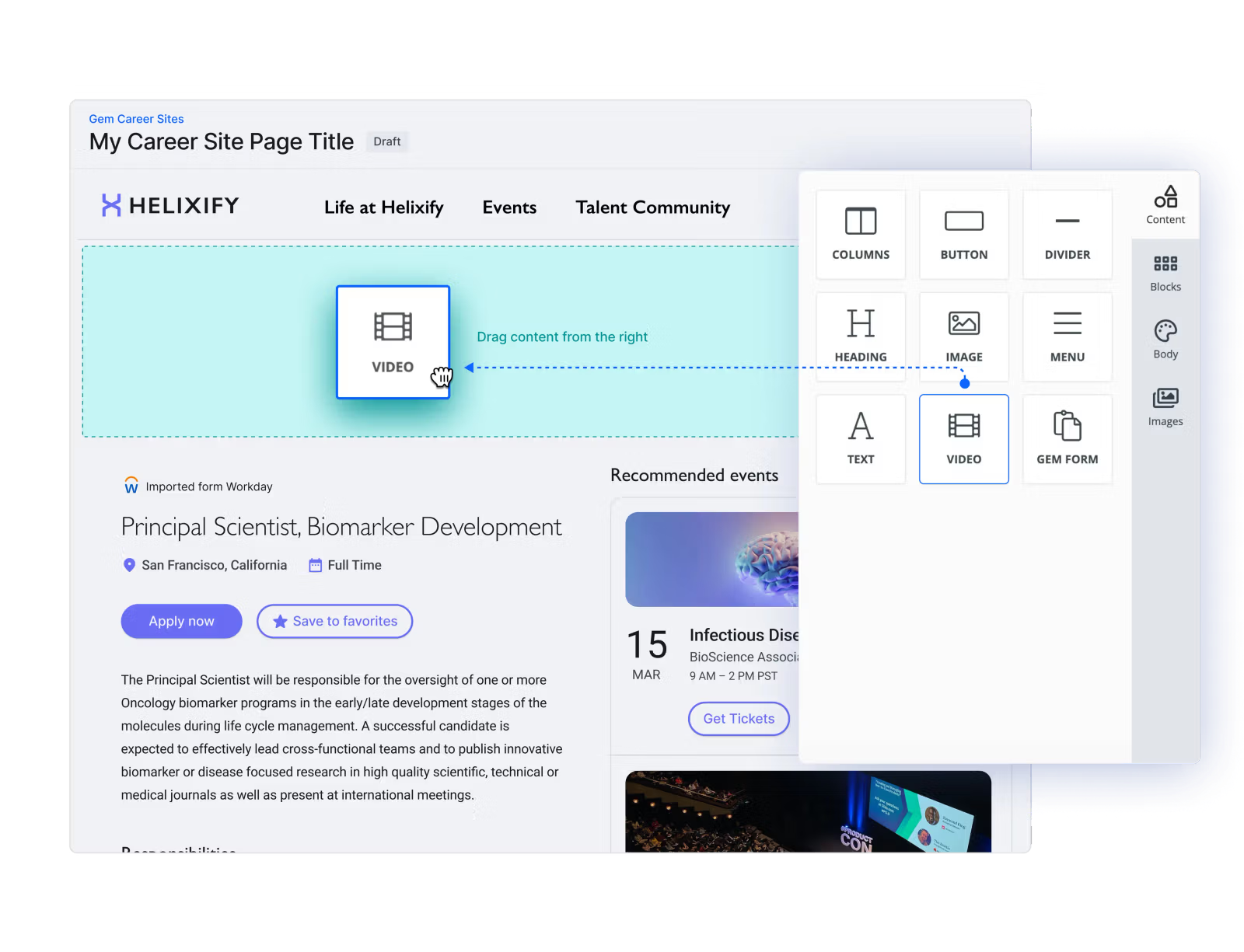
Gem's career sites, powered by HappyDance, also focus on custom employer-brand experiences, automated SEO, talent-community capture, and analytics tied to the candidate journey. SmartRecruiters' SmartAttrax similarly combines branded career sites with SEO, personalization, and ATS integration.
2. Outreach and sequencing tools
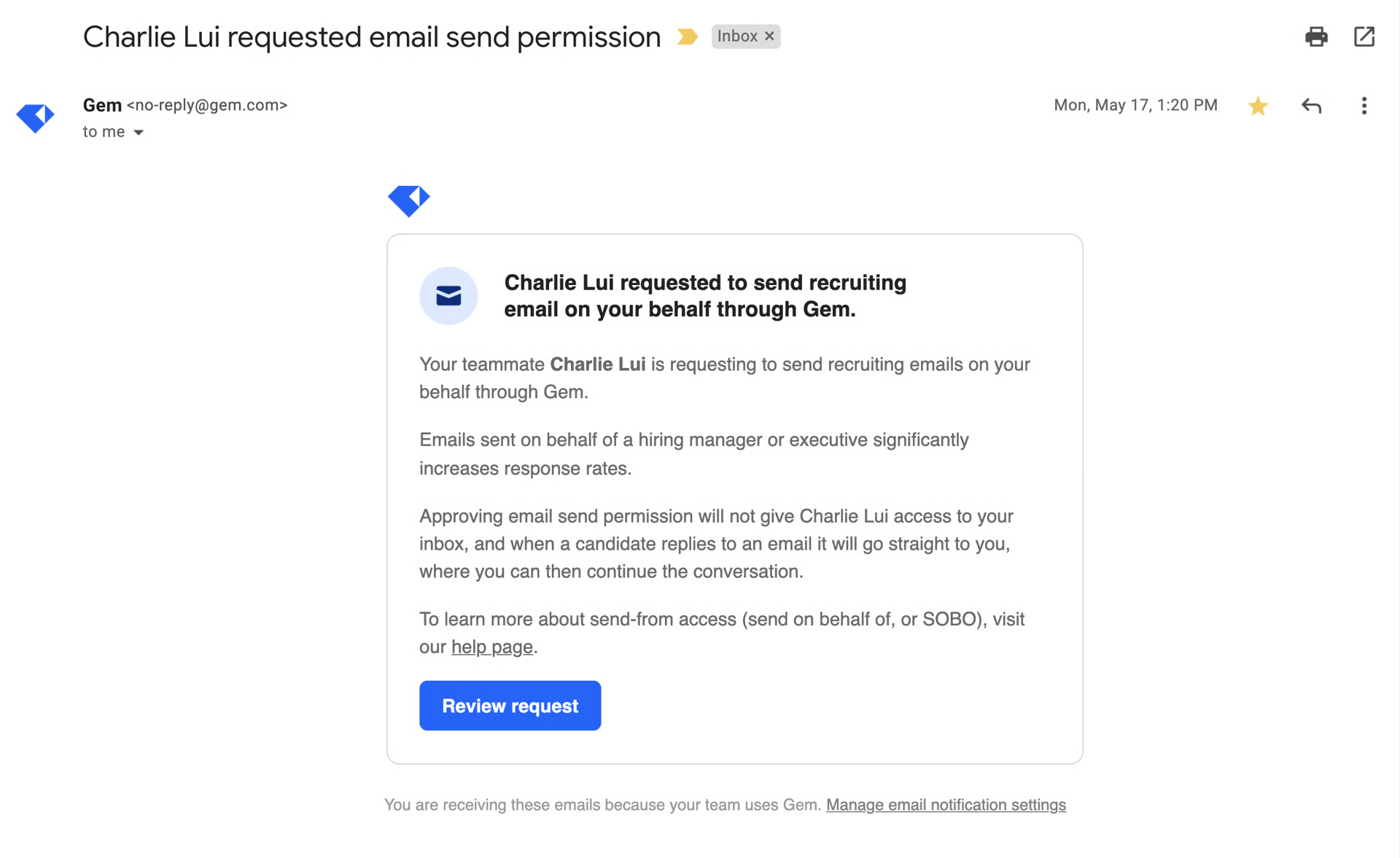
Recruitment marketing also needs a way to turn interest into ongoing conversations. Gem supports multi-touch outreach and Send On Behalf Of (SOBO), allowing recruiters to run sequences from a hiring manager's inbox.
Kula supports multi-channel outreach across email, LinkedIn InMail, and LinkedIn connection requests, with configurable timing and sender selection so recruiters can run multi-channel sequences without switching between tools.
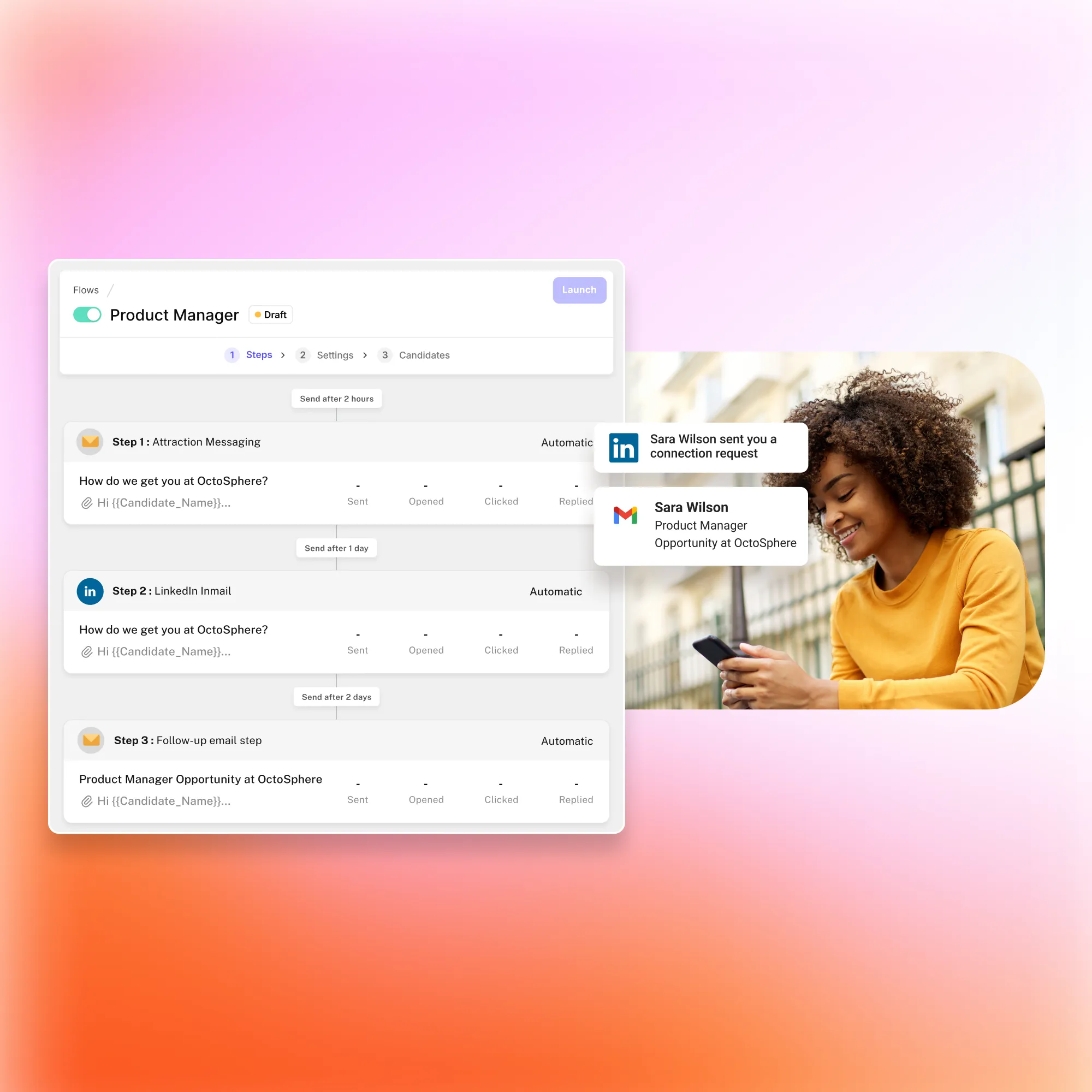
Recruiters can create automated sequences by combining multiple touchpoints into a single automated timeline to reach passive candidates.
Plus, you can track all your outreaches in one place so you don’t have to keep opening different tabs for updates on your candidate communication.
3. Referral platforms
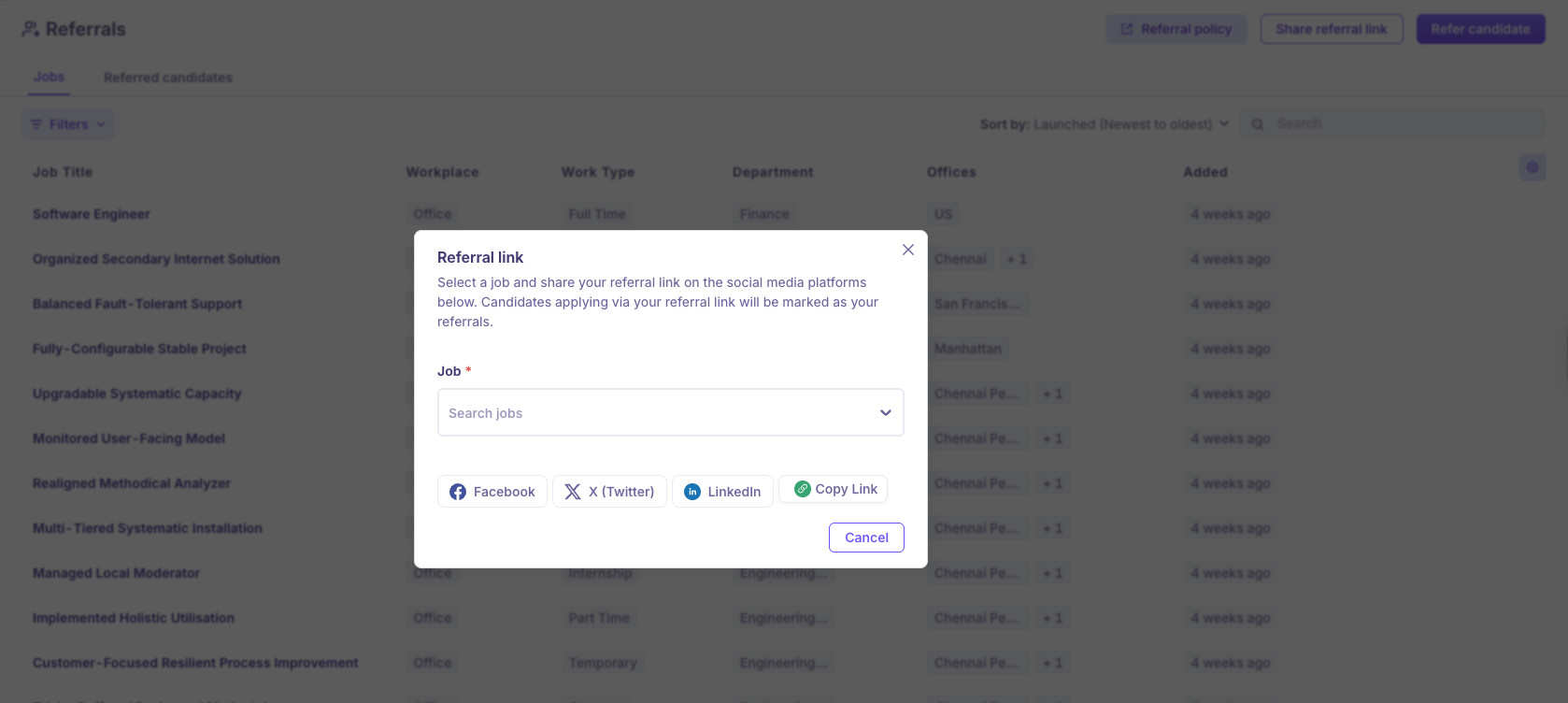
Employee referrals are another important part of the recruitment marketing stack. Kula has an in-built referrals feature that brings employee networks into a searchable talent pool, letting recruiters identify relevant connections and request warm introductions through the platform.
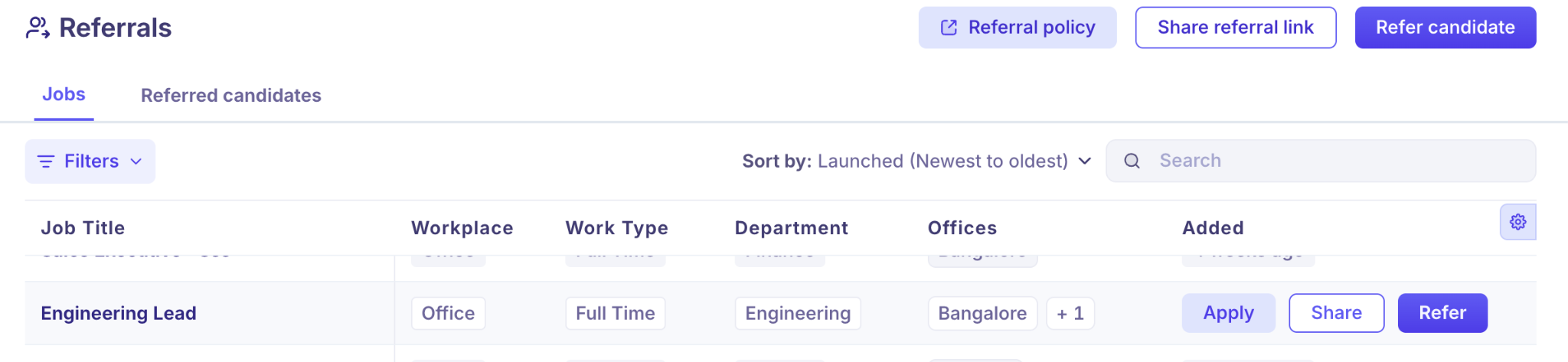
Employees can send a pre-filled introduction, while the referral activity and communication remain visible to the recruiting team.
4. Analytics and the consolidation question
Finally, your recruitment marketing tools need to connect activity to outcomes.
Career-site traffic, outreach engagement, referrals, events, applications, and hires should be traceable across the funnel. Otherwise, it's difficult to know which channels are actually contributing to hiring.
You can build this stack from separate best-of-breed tools, or consolidate more of it into an all-in-one ATS.
Separate tools can offer deeper functionality in individual areas, while consolidation can reduce data silos and the work involved in keeping multiple systems connected. The better choice depends on how complex your recruitment marketing strategy is and how much your team values breadth versus specialization.
Best recruitment marketing examples to take inspiration from
The best recruitment marketing campaigns don't feel like recruitment campaigns. They take something the company already does well, understand what matters to its target candidates, and turn that into a reason to engage.
These three examples show how that can work across different types of employers:
1. Kruidvat: Apply with Your Bestie
Dutch drugstore chain Kruidvat was struggling to attract enough teenagers for its after-school roles, so it changed the application experience around how its target audience actually wanted to work.
Its "Apply with Your Bestie" initiative lets friends, cousins, or neighbors apply together, interview together, and, if hired, potentially work the same shifts. Kruidvat also lets candidates apply through WhatsApp and promises to connect them with a recruiter and nearby store within 24 hours.
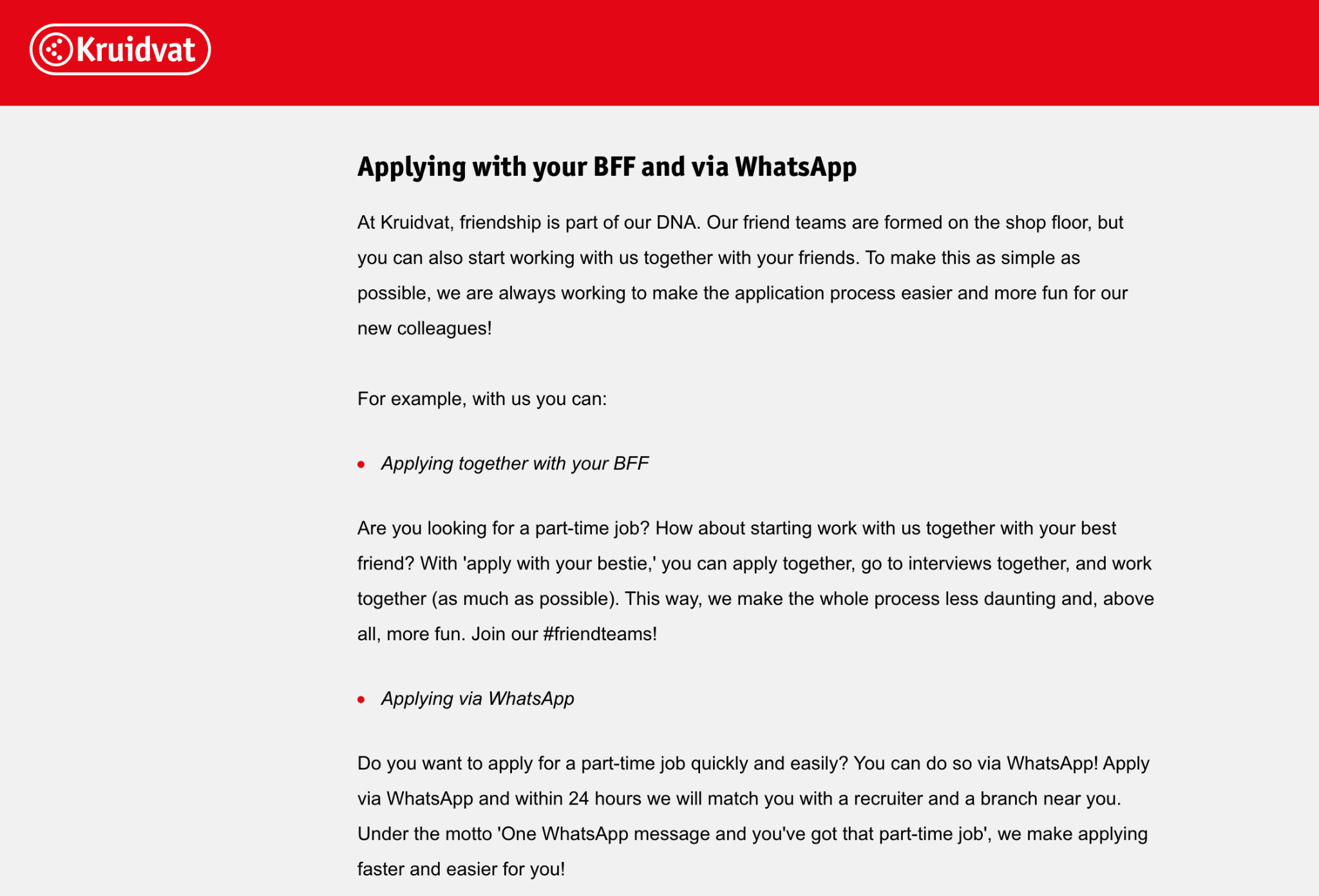
The idea had already been running since 2022, but Kruidvat later built a larger marketing campaign around it. Applications from pairs increased by 83% after the campaign.
What makes this a useful recruitment marketing example is that the campaign didn't just advertise a job differently. It changed the candidate experience around what its audience valued. For younger candidates applying for their first job, having a friend alongside them makes an unfamiliar process feel more approachable.
2. Newell Brands: Turning the career site into a marketing channel
Most career sites are built around one question: What jobs are open?
Newell Brands took a broader approach by treating the career site as a place to communicate the company's values and employee experience, not just list vacancies.
Their site included access to its Leaders Live! podcast and video series, a Spotify playlist for remote workers, detailed benefits information, and content about employee resource groups.
The goal was to help candidates understand the "why, what, and how" of working at Newell before deciding whether to apply.
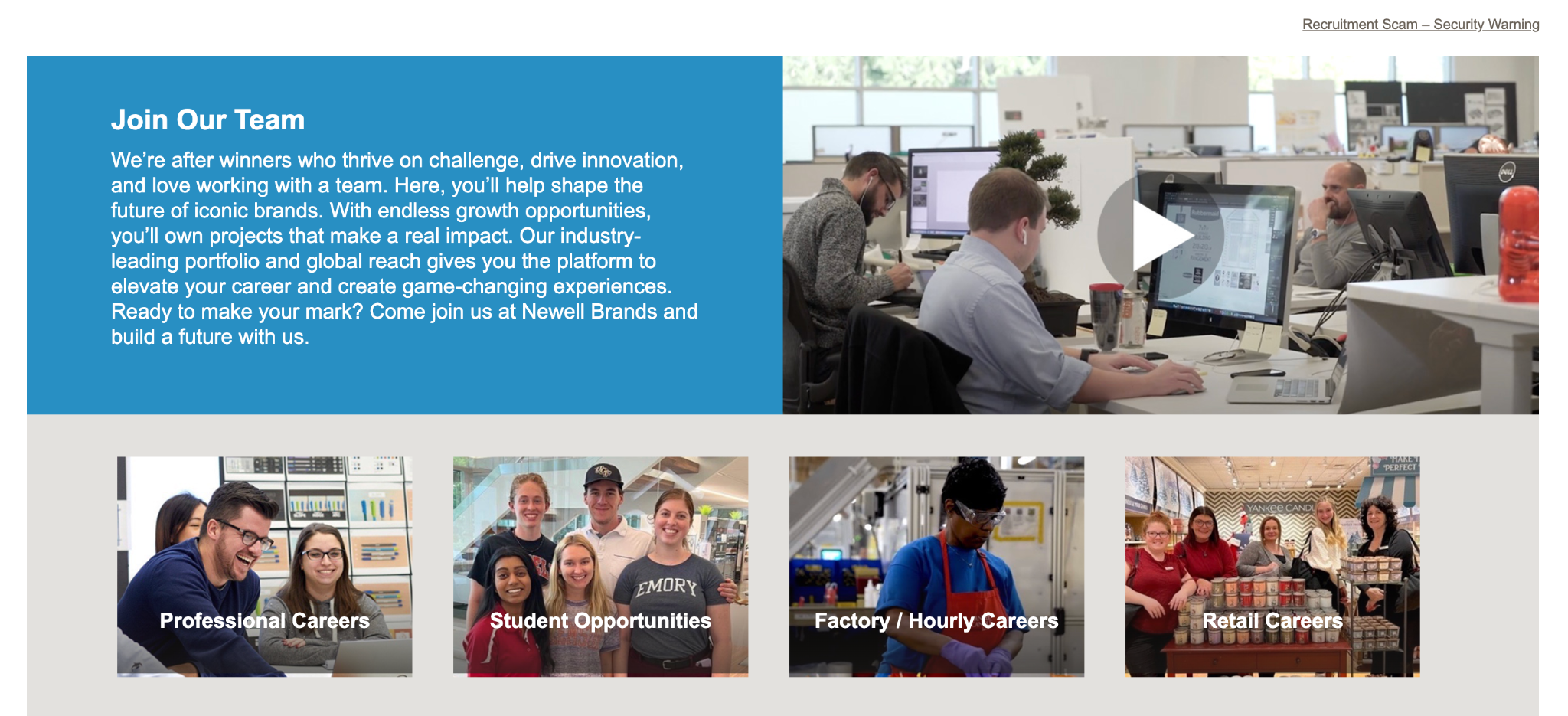
Newell also extended that approach beyond the career site. Personalized talent marketing campaigns encouraged visitors to join its talent community and kept potential candidates engaged with relevant updates and content. The company reported growing its talent community by 27,000 members in one year.
It's a good example of how a career site can become part of a broader recruitment marketing strategy. The goal isn't just to convert today's visitor into an applicant. It's to give people enough reason to stay connected until the right opportunity comes along.
3. IKEA: Career Instructions
IKEA took one of its most recognizable brand assets, the flat-pack instruction manual, and turned it into a recruitment marketing campaign.
The Career Instructions campaign placed recruitment instructions inside IKEA product boxes, using the same visual style customers already associated with assembling IKEA furniture. The instructions encouraged customers to apply for jobs at the store.

The campaign generated 4,285 applications and 280 hires, according to the campaign's published results. Because it reached existing IKEA customers directly, the company could use an audience it had already built instead of relying entirely on traditional recruitment advertising.
The interesting part isn't simply that the campaign was creative. It connected consumer marketing with talent attraction. People who already knew and liked IKEA were given a reason to consider becoming employees, turning an existing brand relationship into a recruiting opportunity.
That's the broader lesson from all three examples: effective recruitment marketing starts with understanding where your potential candidates already are and what would make them want to engage.
How to measure recruitment marketing ROI
Recruitment marketing needs to be measured like any other acquisition channel. Tracking impressions or application volume alone won't tell you whether your efforts are actually improving hiring outcomes. You need to follow candidates from their first interaction with your employer brand through to application, engagement, and hire.
If you’re trying to keep track of your recruitment marketing efforts, here are the seven recruiting KPIs that matter:
1. Career site traffic and bounce rates
Track total visitors, where they come from, and how long they stay. Breaking traffic down by organic search, job boards, social media, and referrals can show which recruitment marketing channels are actually bringing candidates to your site.
2. Application completion rate
Measure how many people who start an application actually finish it. 60% of candidates abandon applications that are too long or complex, making completion rate one of the most actionable metrics in the candidate funnel.
3. Email and campaign engagement
Track reply rates, expressed interest, and engagement across each outreach channel. In 2026 benchmarks from Pin, based on 4 million+ recruiting messages sent by more than 1,500 recruiting organizations, the average cold email reply rate is 4.96%, compared with 17.08% for LinkedIn messages.
The data also shows that three touches capture 93.2% of the replies a sequence will generate, while midweek outreach performs better than weekend sends.
These numbers give recruiters a useful baseline for evaluating outreach quality, but they also show why engagement needs to be measured by channel and sequence rather than as one overall campaign metric.
4. Employee referral rate
Measure the percentage of hires coming through employee networks. A strong referral rate can indicate that employees understand your employer brand and are willing to recommend your company to people in their networks.
5. Sourcing channel ROI
Compare candidate volume and quality across social media, niche job boards, events, direct sourcing, referrals, and other channels. This helps recruiting teams identify which sources are worth continued investment.
6. Employer brand sentiment
Track brand mentions, Glassdoor score trends, and responses to negative reviews over time. These signals show whether candidate and employee perception of your company is improving or declining.
7. Candidate NPS
Ask candidates about their experience after the hiring process, regardless of whether they were hired. A Candidate NPS above 50 or satisfaction score of 4/5 can indicate a strong candidate experience.
This matters because negative experiences don't necessarily stay private as 25% of unhappy candidates share their experiences publicly.
Tracking these metrics consistently gives recruiting teams a much clearer picture of what's working, where candidates are dropping out, and which channels are actually contributing to hires.
How to determine whether your recruitment marketing is working
You don't need a complicated audit to spot gaps in your recruitment marketing strategy. Start with these three questions:
1. If you stopped all inbound job posting tomorrow, how many hires could you make this quarter from your existing talent pool?
If the answer is zero or close to it, you haven't built much of a recruitment marketing pipeline yet.
2. When candidates apply, can they tell you why they were interested in your company?
If candidates mention content they read, employees they know, or events they attended, your marketing is creating awareness before the application. If they can't, that connection may be missing.
3. Are referral hires increasing as a percentage of total hires year over year?
If not, your employee advocacy isn't compounding yet. Strengthening referrals may be more valuable than simply adding another sourcing channel.
If any of these answers are unclear or negative, there's probably a structural gap worth fixing before you add more recruitment marketing tactics.
Start building a recruitment marketing strategy today!
Recruitment marketing changes the question from “How do we get more people to apply?” to “How do we build relationships with the people we may want to hire next?”
That shift has a few practical implications:
- Your talent pipeline should exist before your hiring plan does. The strongest candidate relationships aren't created in the week a role opens. Employer brand, content, events, referrals, and ongoing outreach give candidates reasons to know your company before there's anything to apply for.
- Candidate quality matters more than application volume. Job boards can fill your ATS with applications, but referrals, passive candidates, and people already familiar with your company can create a much stronger path to hire.
- Every interaction shapes your employer brand. Your career site, job descriptions, employee advocacy, outreach, events, and candidate experience all contribute to the picture candidates form of your company.
- The real payoff is cumulative. A candidate you engage today might become a hire months later, refer someone else, or return for a different role. The value of recruitment marketing grows as those relationships accumulate.
- Measurement keeps it connected to hiring outcomes. Traffic and engagement are useful, but the bigger question is whether those activities are creating qualified candidates, referrals, hires, and a healthier pipeline over time.
If you're ready to build that kind of pipeline, explore how Kula brings career site building, multi-channel outreach and referrals into the same ATS, so you can start attracting, nurturing, and rediscovering candidates before your next role even opens.
Book a demo to see Kula in action!

Start by defining the talent you expect to hire and the channels where those candidates already spend time. Then build your strategy around four areas: employer brand, content and thought leadership, direct outreach, and talent-pool nurturing. Keep potential candidates engaged through relevant content, events, referrals, and personalized outreach, and measure which channels are actually contributing to qualified candidates and hires.
The best recruitment marketing tools depend on which parts of the candidate journey you need to automate. Look for capabilities such as career site management, multi-channel outreach, referral management, candidate relationship management, event management, and recruitment analytics. An ATS with these capabilities built in can also reduce the data silos and manual work that come with managing several disconnected tools.
Start with the specific technical talent you want to attract and identify what matters to that audience, such as the technology they'll work with, the problems they'll solve, career growth, or opportunities to work with experienced teams. Build content around those topics, use employee advocacy and thought leadership to increase visibility, and reach passive candidates through personalized, multi-channel outreach. Keep interested candidates engaged in your talent pool even when there isn't an immediate role for them.
Focus on showing what it's actually like to work at your company rather than publishing only job openings. Share employee stories, team experiences, career growth, company values, behind-the-scenes content, and insights from employees or leaders. Encourage employees to share content through their own professional networks, respond to candidate questions, and keep the tone consistent with the experience you want candidates to have. Most importantly, make sure your social presence reflects the actual employee experience rather than promising a culture that candidates won't find once they join.
Recruitment marketing ROI should be measured by more than application volume. Track career-site traffic and engagement, application completion rates, outreach response rates, employee referral hires, sourcing-channel ROI, employer brand sentiment, and candidate NPS. The longer-term value also comes from building a reusable talent pipeline: someone you engage today may become a hire months later, refer another candidate, or return for a future role. This makes recruitment marketing an investment in reducing sourcing effort and improving the quality of future hiring pipelines.